

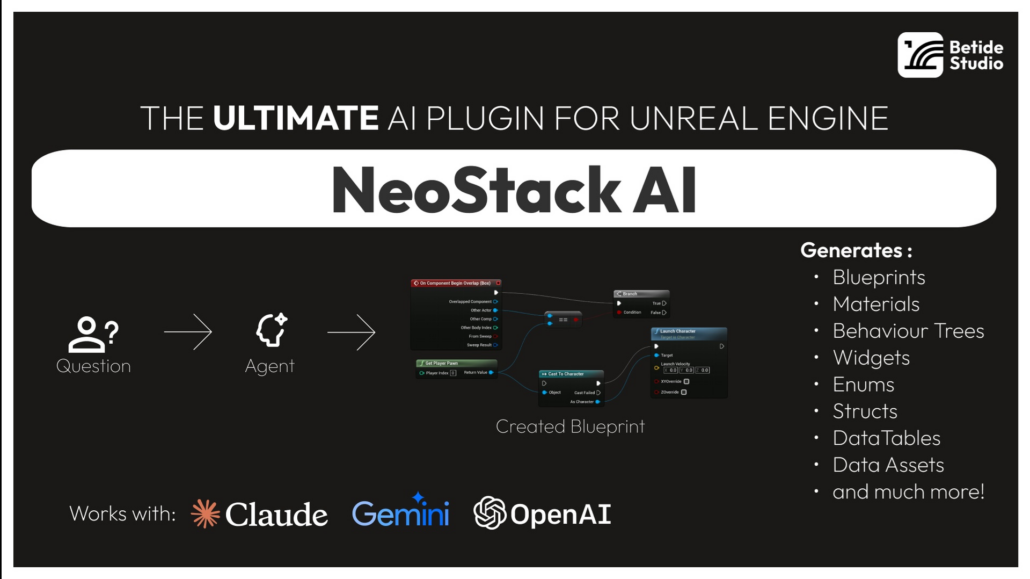
Back in February I started testing the NeoStack AI Plugin by BETIDE STUDIO for AI assisted Unreal Engine game development. The NeoStack AI plugin is still in Beta, and I am currently testing the latest beta version (v1.0.66).

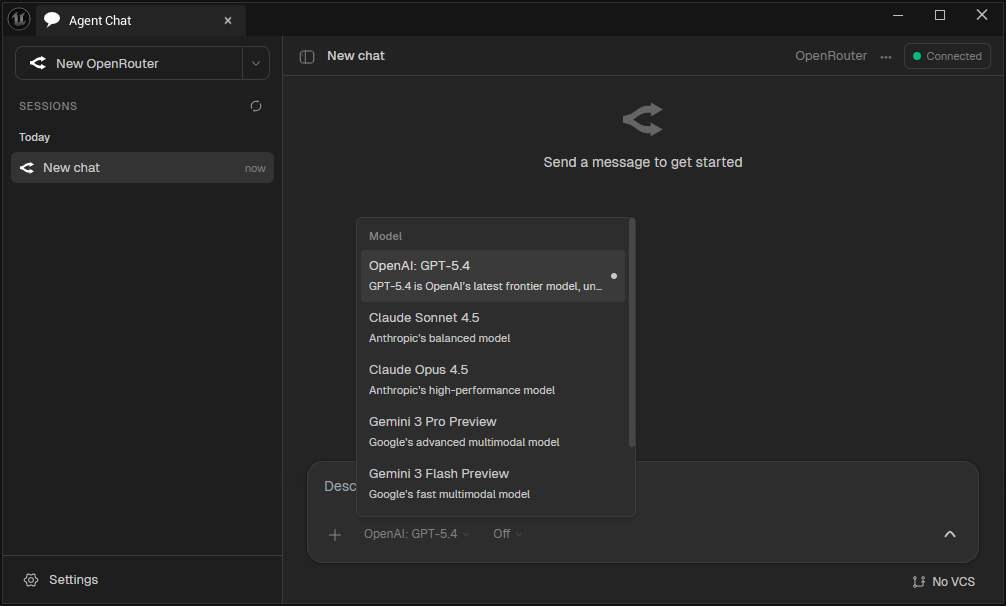
In addition to using OpenRouter to run free LLM models, NeoStack AI recently added the capability to run my free local LLM models via Ollama running on my GeForce RTX-3080.
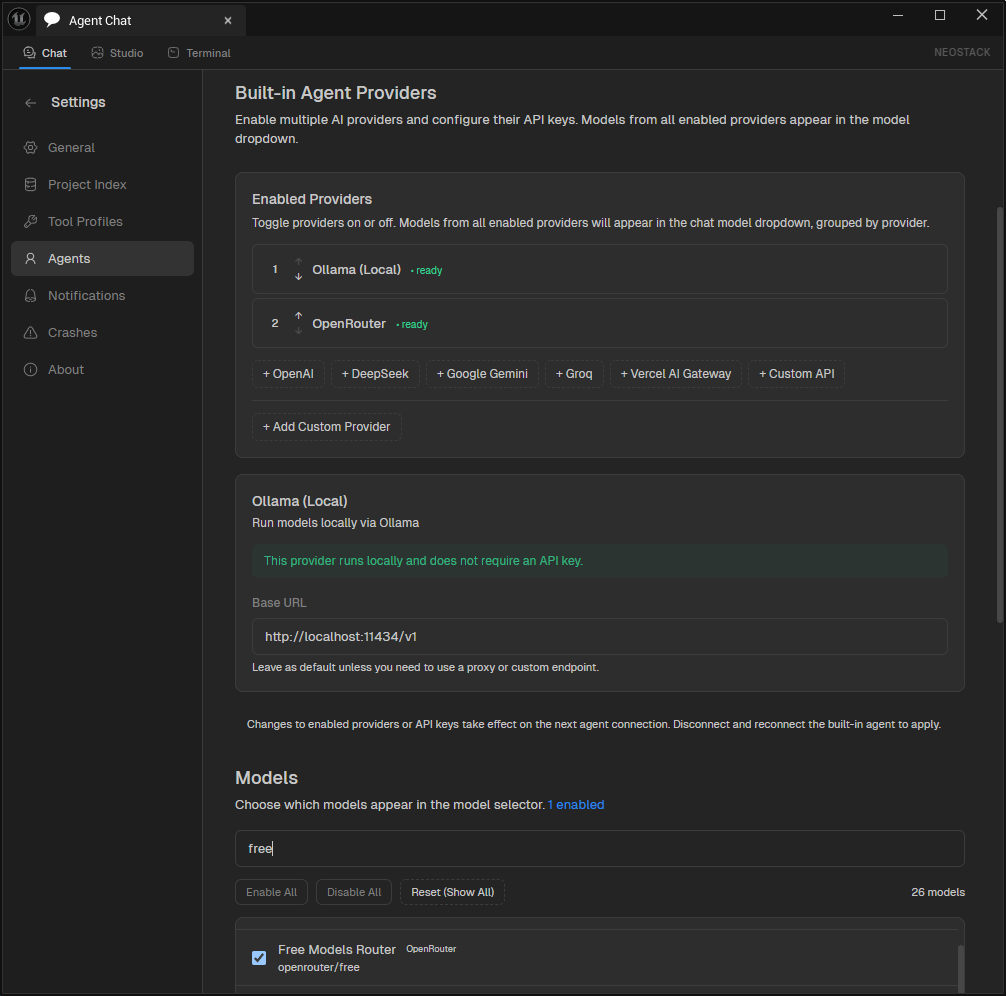
I am really excited to use their new Ollama Local LLM model capability so I can take advantage of the free processing power of my offline NVIDIA GeForce RTX-3080 Graphics card.
As a reminder, the key features of the NeoStack AI are:
I’ll continue to keep you update on both my cloud and local LLM testing with NeoStack AI for Unreal Engine.
On March 5th, 2026, OpenAI released GPT-5.4 GPT-5.4 brings together the best of their “recent advances in reasoning, coding, and agentic workflows into a single frontier model”. OpenAI said that GPT-5.4 “incorporates the industry-leading coding capabilities of GPT‑5.3‑Codex while improving how the model works across tools, software environments, and professional tasks involving spreadsheets, presentations, and documents.” GPT 5.3 Coden is great for agentic coding and combining it with GPT-5.4 helps you get real work done accurately, effectively, and efficiently.
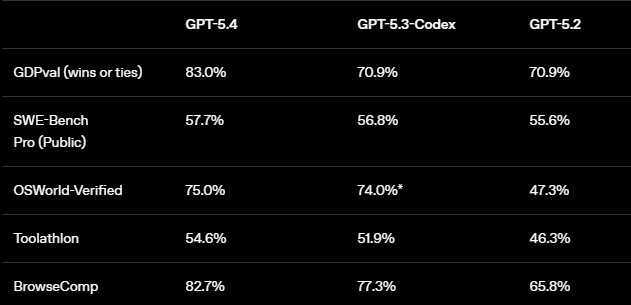
OpenAI shared the following benchmarks comparing 5.4 to 5.3 Codex and GPT 5.2 in their announcement:
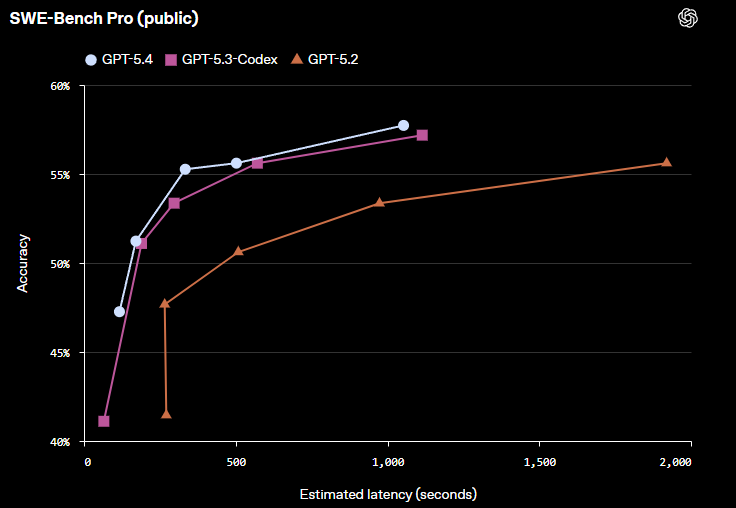
For Coding, they also shared their SWE-Bench Pro (public) Accuracy vs Latency Benchmarks:
As a demonstration of their model’s improved computer-use and coding capabilities working in tandem, they released an experimental Codex skill called “Playwright (Interactive)(opens in a new window)”. This new skill “allows Codex to visually debug web and Electron apps; it can even be used to test an app it’s building, as it’s building it.”
I can’t wait to test and see how it has improved AI assisted game development! I’ll let you know how my testing goes via my AI Assisted Unreal Engine video game development project using my Betide NeoStack AI Plugin and my OpenRouter account.

Epic Games recently acquired Meshcapade, a startup specializing in AI technologies for creating and animating hyper-realistic digital humans. Meshcapade, a spin-off from the Max Planck Institute for Intelligent Systems based in Tübingen, Germany, develops AI tools that generate precise 3D body models and animations from video recordings.
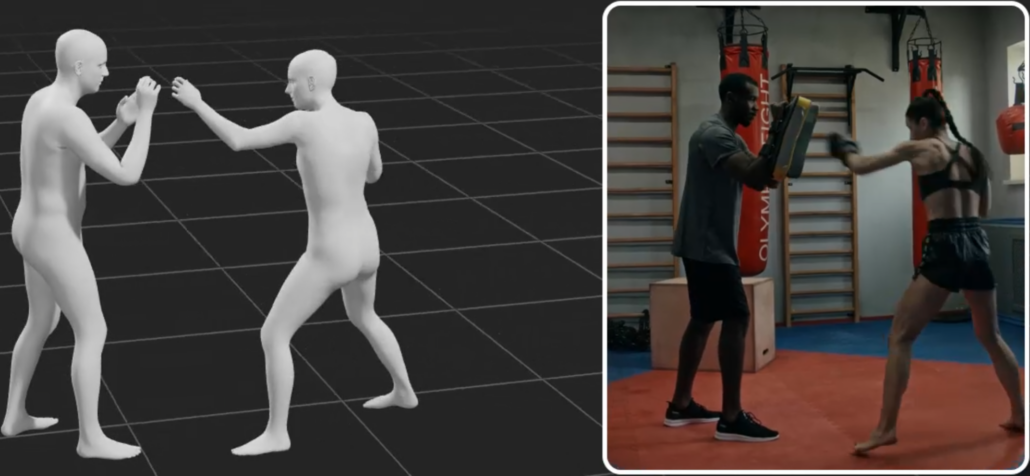
Meshcapade’s AI tools, built on the SMPL (Skinned Multi-Person Linear) parametric body model, primarily target and automate the body modeling and full-body motion capture stages in Epic’s MetaHuman pipeline, which currently relies on limited presets for bodies and less advanced video-based tracking for animation.
What Meshcapade Replaces in the current MetaHuman Pipeline:
With the acquisition, Epic says it’s “looking forward to working together to advance digital human technologies for use across gaming, film and entertainment.” I’m personally looking forward to a much simpler MetaHuman creation and animation pipeline for video game development and virtual production. development.

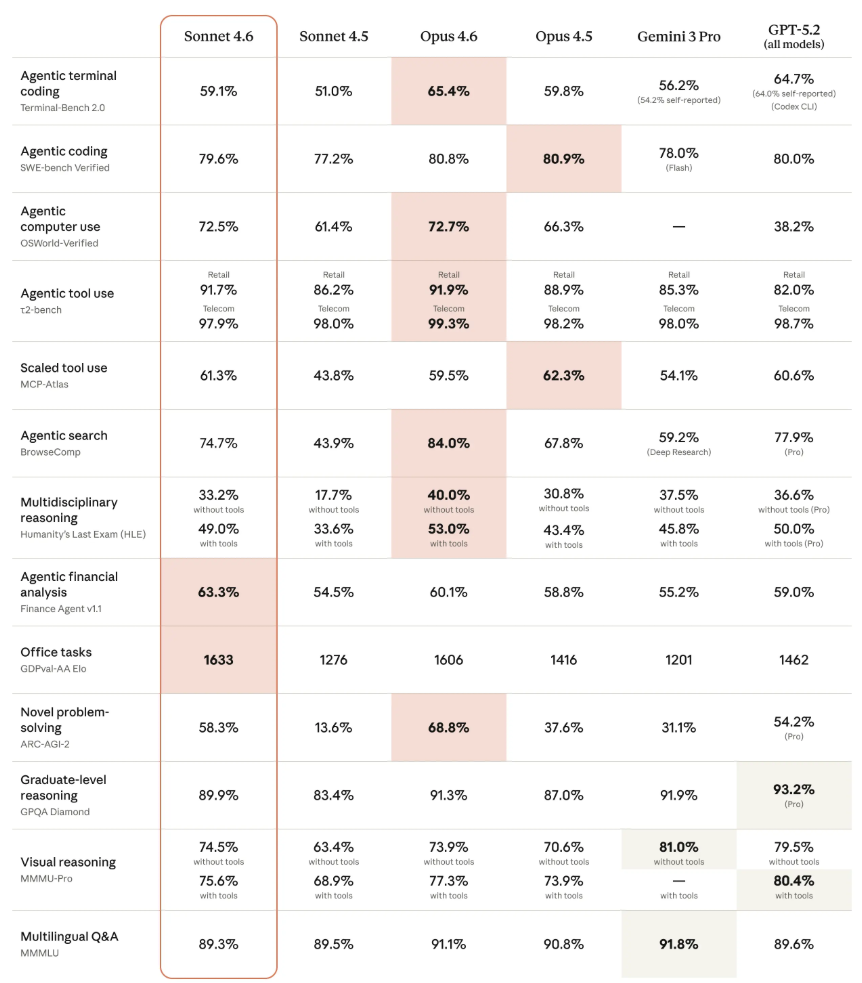
Anthropic released Claude Sonnet 4.6 on February 17, 2026 – almost 2 weeks after releasing their flagship Claude Opus 4.6 model. Below are the latest benchmarks that Anthropic published in their Claude Sonnet 4.6 announcement:
You can read more about Anthropic Claude Sonnet 4.6 here.

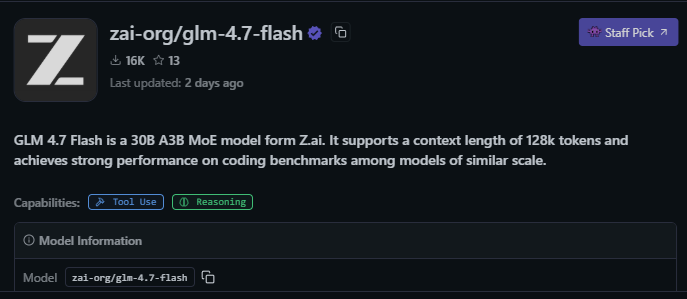
The Lunar Lander coding simulation coding test ran without any problems at 6.12 tokens per second using LM Studio:
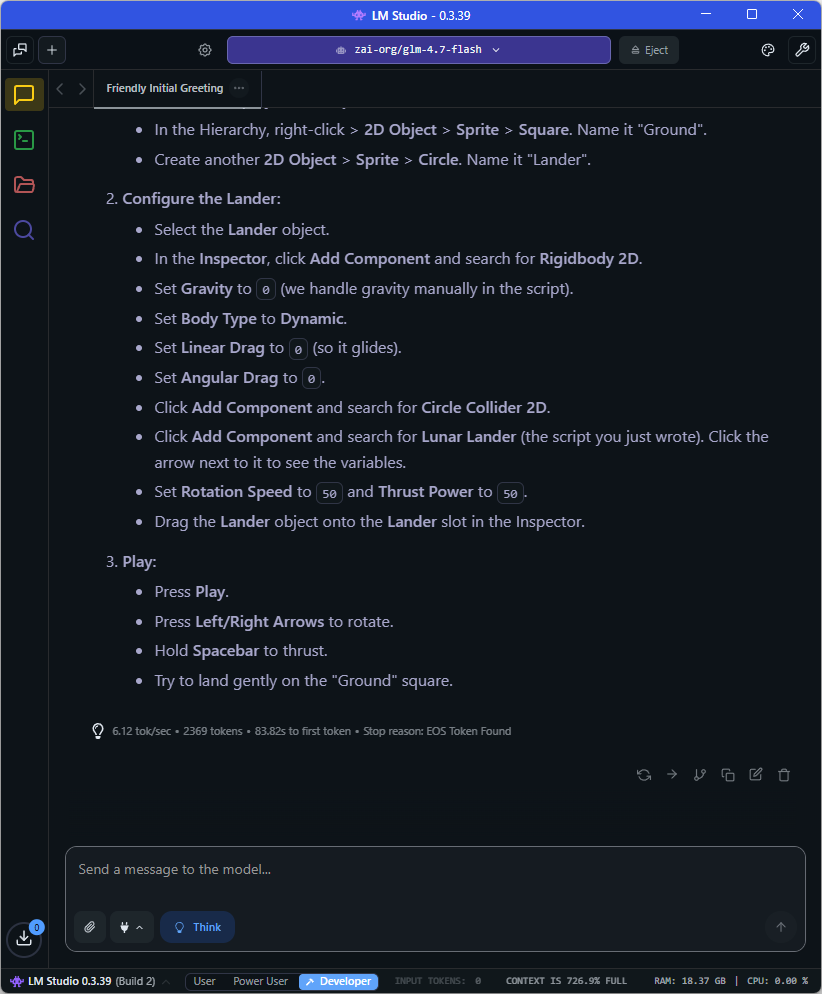
Below you can see the Task Manager Performance Chart for my NVIDIA GeForce RTX-3080 with 10GB VRAM;
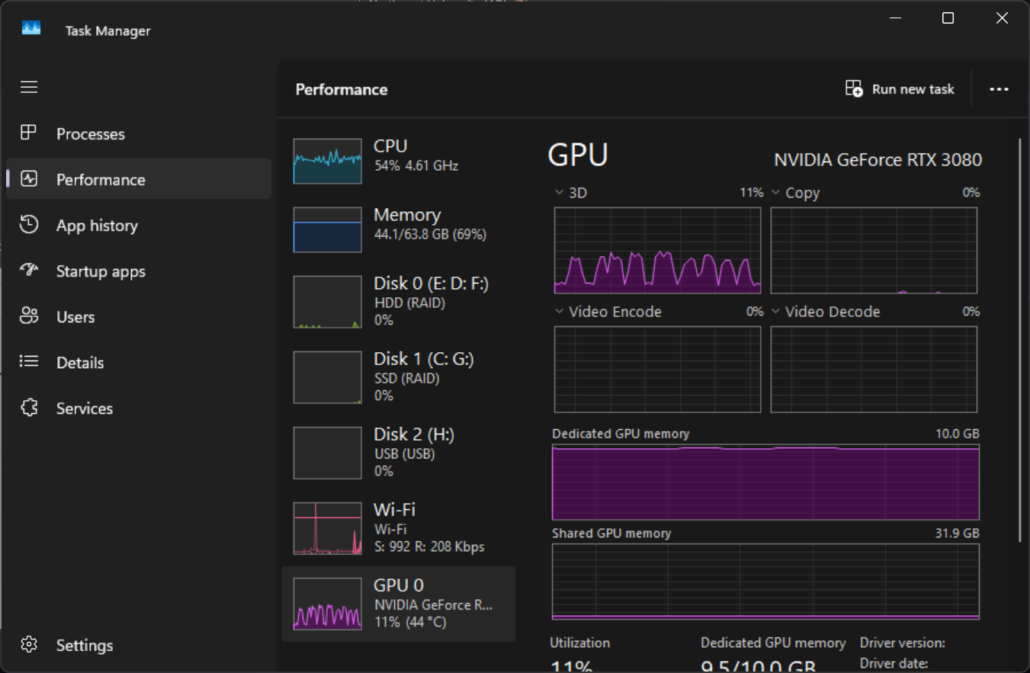
Based on available benchmark data, it achieved the following scores on the specified evaluations:
GPQA: 75.2%
AIME 25: 91.6%
SWE-bench Verified: 59.2%
These results position it as a strong performer in its size class, particularly for coding and reasoning, outperforming comparably sized models like Qwen3-30B on SWE-bench Verified while maintaining lower resource requirements. Note that benchmarks can vary slightly based on evaluation configurations, but these figures are consistent across official sources and reviews.

Chloe Conrod delivers an inspirational game development talk at the 2020 Christian Games Developers Conference (CGDC) on August 30, 2020! Click on the link below to view her talk on the CGDC YouTube Channel:
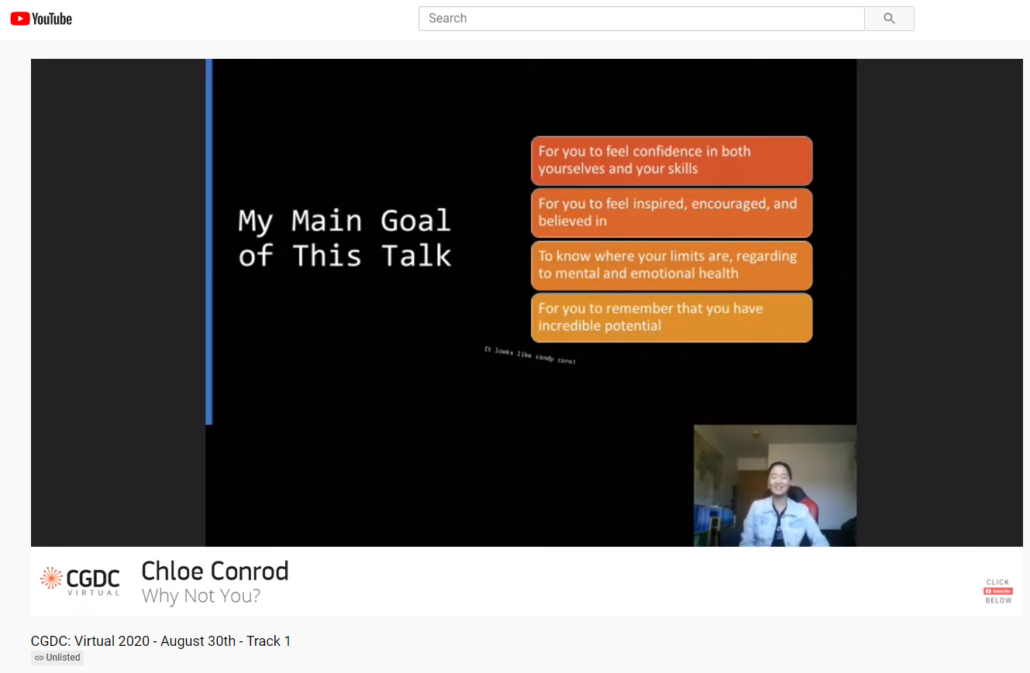
Summary of Chloe’s Talk:
Throughout the years, gaming has created a beautiful and mesmerizing way to escape the real world. Hundreds of these amazing creations have been released towards those of multiple generations, and have been used as an inspiration towards other aspiring game developers on what they may want to create. However, it is never a rare case for a game developer to feel burdened with the over-piling work that they have to face. From financial problems to feeling weighed down by the comments of our audience, to being exhausted from all of our hard work and wondering if we should start over, there are many in the gaming industry who have decided to quit. But, the truth is, our failures actually come from not realizing how close that we were to success, until we gave up. Us, being only human, need to realize how far that each and every one of us have come from where we originally started. Whether it’s been years of constantly working on a game, to just beginning to piece together what you want to create, or even having only attended this conference to spark and further your interest, each of us have something to be proud of. Now, this is where many of you may ask, “But, why me?” And to that, I will explain an even more important question, “Why not you?”

The Christian Game Developers Conference Board of Directors announced that they welcomed Phil Conrod as a new Board Member for a 2 year term. Phil Conrod has also published over two dozen textbooks which are used in K-12 schools & universities to help teach App & Game programming. You can read more about his many apps, games and textbook tutorials at https://www.biblebytebooks.com and https://www.kidwaresoftware.com.
Phil is very honored and humbled to serve the Christian Game Developers Community on the CGDC Board of Directors. Please let him know how he can serve the CGDC community best in this new Board Member role.
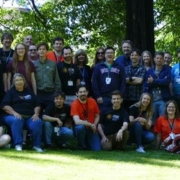
Phil Conrod and Kris Murray Host a Unity Workshop on the Unity Multipurpose Avatar (UMA ) and Navigation at the 2019 CGDC. The Workshop for Unity 3D to create customizable characters and get them to walk around a 3D scene. Learn the Unity Multipurpose Avatar and how to change skin and hair color, body, proportions and clothes. Take that same 3D character and set it to motion on its own using Navmesh. Preparation required: Bring a laptop, download and install Unity, and get the free Unity Assets “Standard Assets” and “UMA 2” from the Unity Asset Store. Participants should have a cursory understanding of C# scripting.
Friday, 1:15pm – 2:30pm, Trail Room

BookAuthority Selects our Computer Bible Games with Java as One of the 3 Best New Java Swing Books To Read In 2019!

BookAuthority also names Computer Bible Games with Java as One of The Best Java Swing Textbooks of All Time!